Utilizing Electricity for Abundant Landscapes
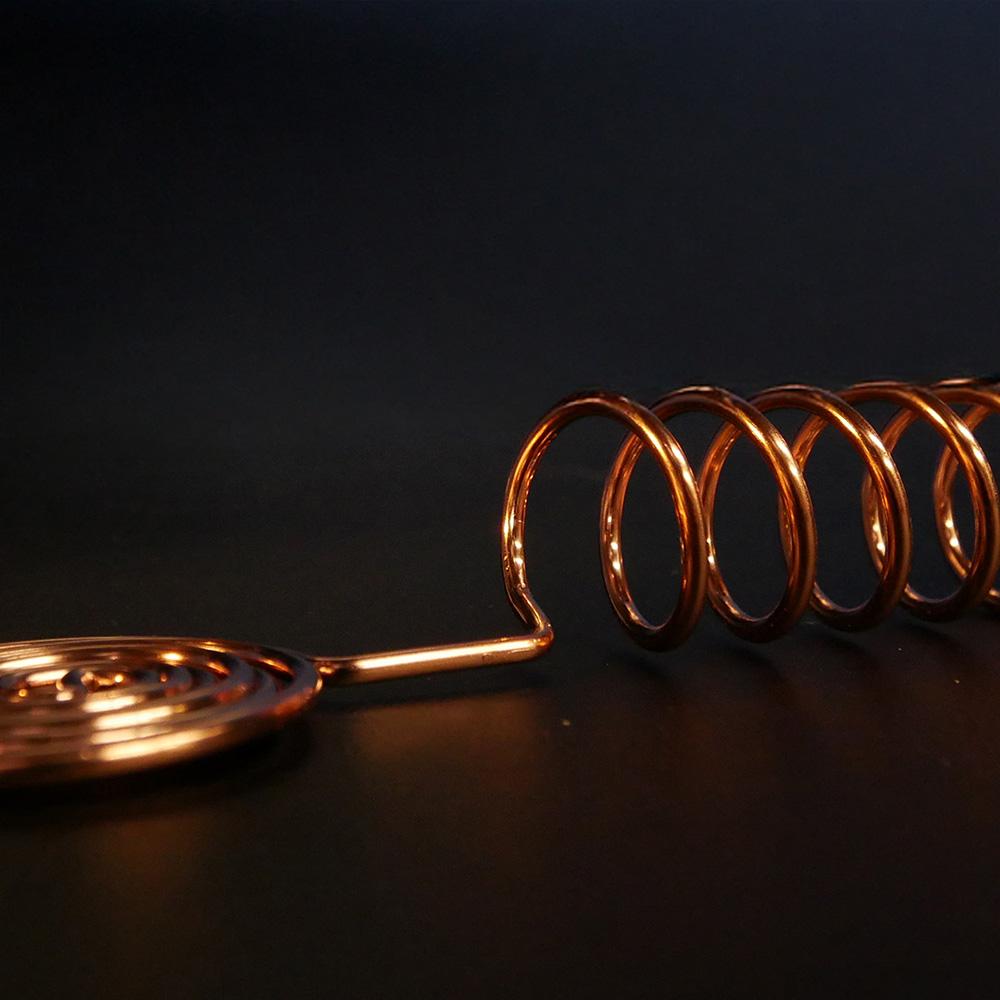
Electroculture, a fascinating technique , suggests that vegetation can thrive when exposed to gentle electric fields . Some electroculture suggest that this subtle jolt enhances water uptake , resulting to accelerated development and potentially bigger yields . While scientific validation remains insufficient, numerous experimenters claim impressive gains in their individual gardens , inspiring additional study of this alternative method to farming and food production .
An Introductory Guide to Electrical Gardening
Curious to learn a unique gardening method ? Electroculture gardening is harnessing electric energies to enhance plant development . This sounds advanced , but the core principles are surprisingly easy to understand . Typically, it includes creating a grid of copper wire above your seedlings , potentially connected to a low-voltage energy source. While scientific proof remains limited, many gardeners report significant improvements in plant health and output . Let’s briefly discuss the fundamentals in upcoming sections.
Is Electroculture Truly Function? Differentiating Reality and Fantasy
Electroculture, an approach utilizing subtle power to stimulate crop production, sparked considerable buzz online. However, it's vital to thoroughly evaluate the more info assertions and distinguish legitimate results versus unsubstantiated advertising. While certain initial trials suggest to indicate increased outputs, the objective foundation remains largely unexplained. Many reportedly triumphs might be caused by other factors, including improved soil, hydration, or simple coincidence. More rigorous investigation and official validation are needed to establish if electroculture represents reliable farming method .
Setting up Your Own Electroculture Garden: A Practical Guide
Embarking towards the intriguing world of electroculture can appear daunting, but constructing your personal electroculture garden is surprisingly manageable with a few basic steps. First, gather your materials: a vessel, copper strips, zinc sheet , water, and a power source – a small battery or homemade cell can function . Afterward, arrange the copper and zinc encircling the water within the container, ensuring they haven't touch. The energetic field produced between these metals is believed to encourage plant vitality. Finally, observe your plants and fine-tune the system as needed – electroculture is as much about experimentation as it is dealing with following instructions .
Bio-Electrical Farming vs. Standard Cultivation: What's The Distinction?
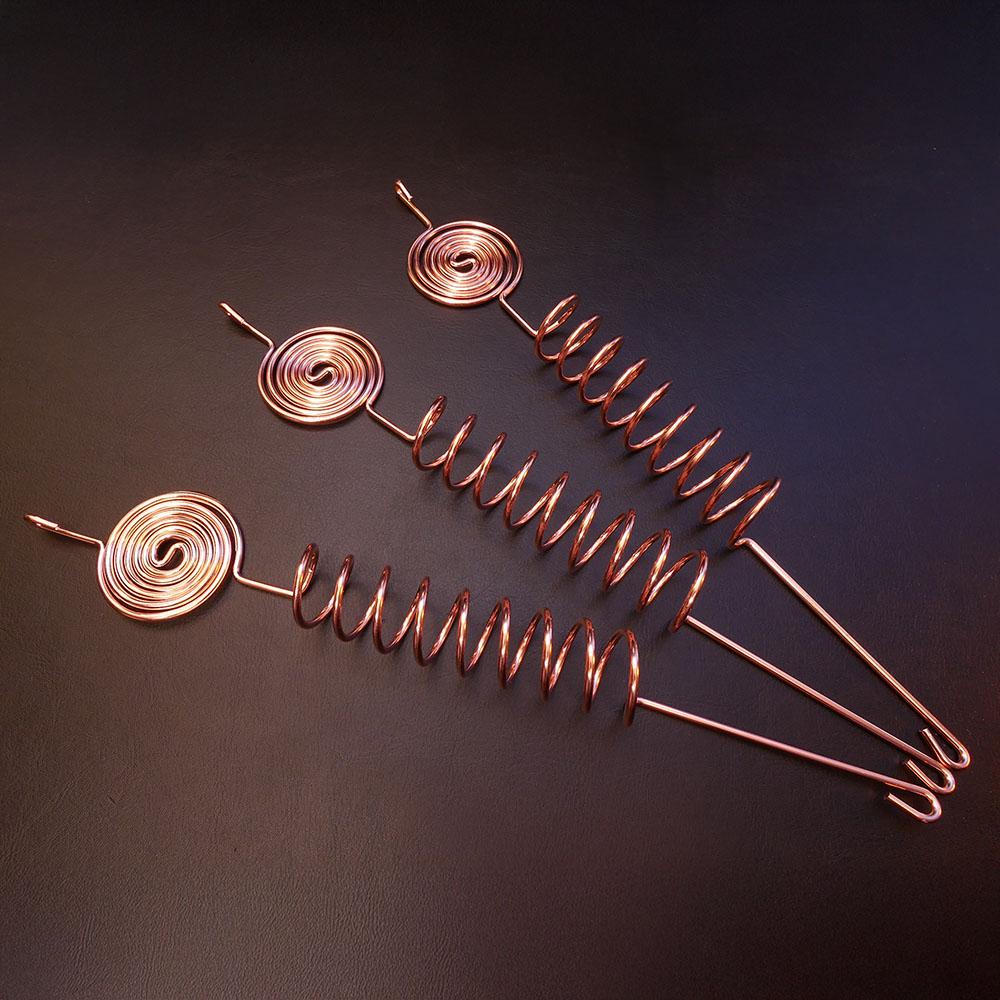
Numerous horticulturists are considering bio-electrical farming as an method to traditional cultivation. While both aim to nurture healthy vegetation, they employ drastically different techniques . Traditional horticulture relies on ground minerals , light , and hydration, often with added nutrients . In opposition , electroculture utilizes a minimal electrical to stimulate vegetation development , conceivably reducing the dependence on earth and standard nutrients . Finally , electroculture embodies a quite innovative field in cultivation possessing distinct promise .
Boosting Plant Growth with Electroculture: Potential & Practicalities
Electroculture, a debated process proposing plant development through electrical currents , has ignited considerable attention amongst growers. Early observations suggested significant enhancements in yield and total plant health . While the exact mechanism stays unknown, some hypotheses relate to improved water assimilation and nutrient availability within the earth . Practical applications can span from basic DIY setups using copper and zinc conductors to more advanced systems . However, it’s essential to approach electroculture with caution , acknowledging the scant peer-reviewed scientific proof and potential dangers associated with improper implementation. Further research is necessary to completely grasp the potential and restrictions of this captivating technique to cultivation.
- Potential benefits include increased yield and improved plant health.
- Consider the need for further research and scientific validation.
- Practical applications range from simple DIY systems to complex configurations.